
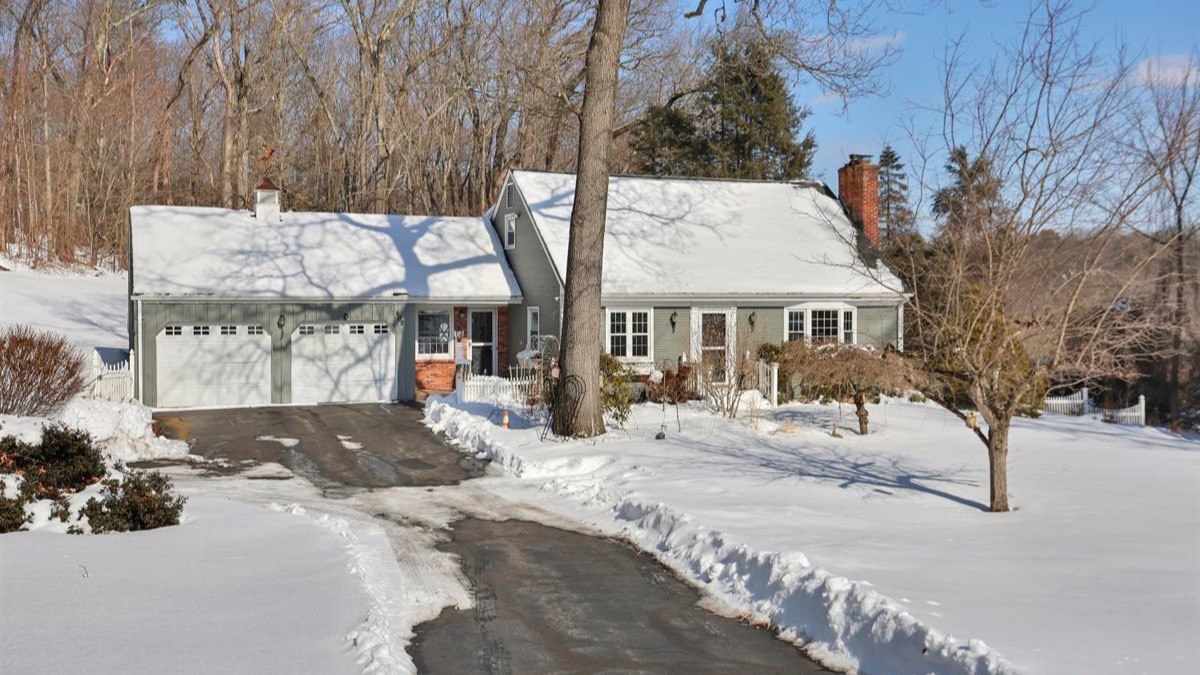
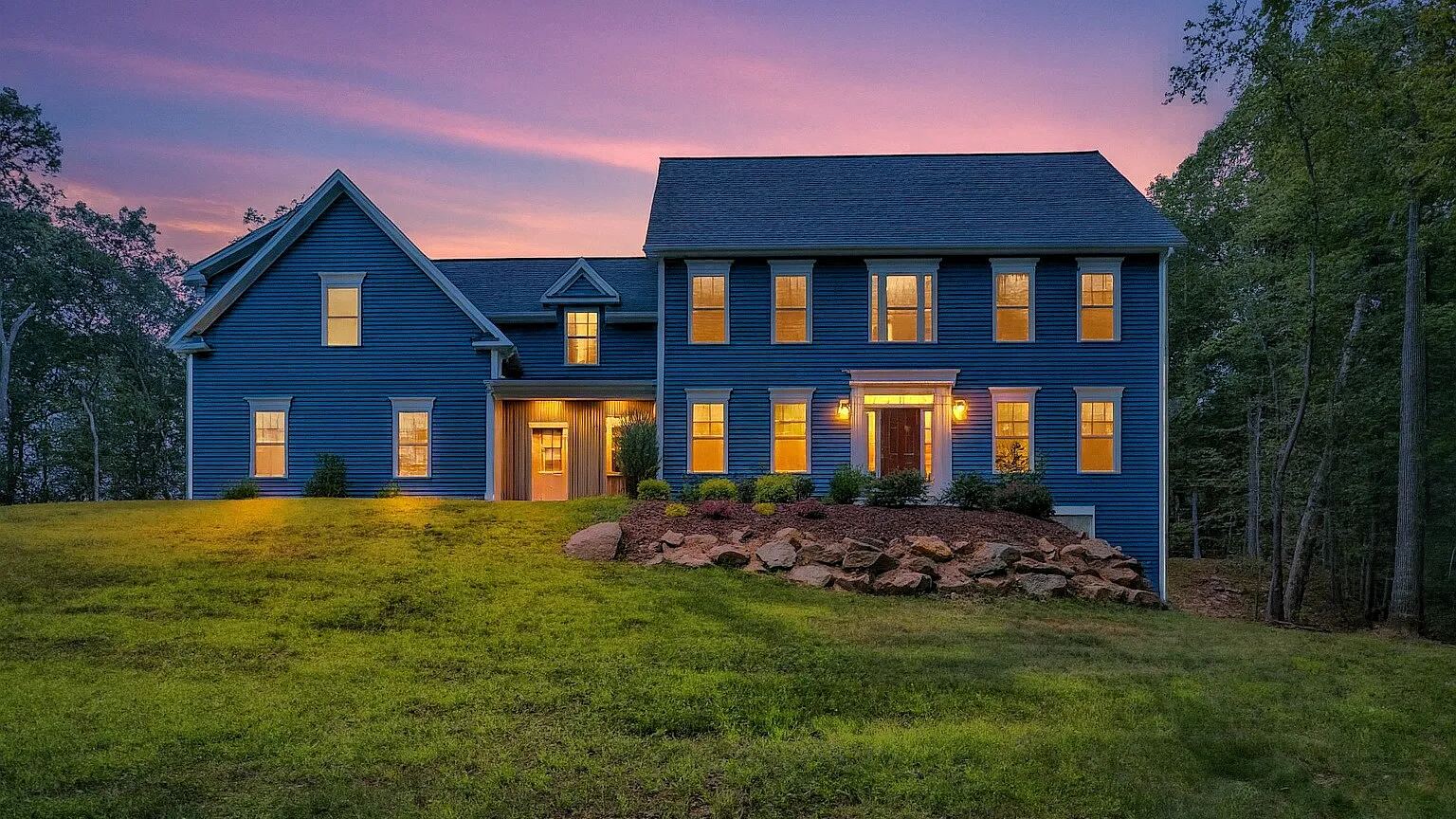
Living in Glastonbury, CT — Homes, Neighborhoods & Market Data
Seven historic villages on the east bank of the Connecticut River, top-ranked schools, and one of the hottest housing markets in the #1-ranked metro in America. This is the town we've called home base since 1994 — here's the guide we'd hand a friend.
Feery Family Team · Berkshire Hathaway HomeServices New England Properties · 30 Welles Street, Glastonbury
The numbers first
Glastonbury Market Stats
Every figure below is sourced and dated — small-town medians move month to month, so treat each as a point-in-time reading, not a promise. We refresh this table quarterly.
| Measure | Figure | Source · As of |
|---|---|---|
| Median single-family sale price | $615,000 | SmartMLS · June 2026 |
| Average sale price | $687,000 | SmartMLS · June 2026 |
| Typical home value (ZHVI) | $560,612 · +6.2% year over year | Zillow Home Value Index · May 31, 2026 |
| Average days on market | 18 | SmartMLS · June 2026 |
| Sale-to-list ratio | 107% | SmartMLS · June 2026 |
| Homes sold | 43 in June · 115 year to date (−10.2% vs. 2025) | SmartMLS · June 2026 |
| Mill rate | 33.73 (applied to 70% of market value) | Town of Glastonbury · FY 2026-27, amended 6/3/2026 — confirm at annual refresh |
| Population | 35,159 | US Census via Wikipedia · 2020 |
The one-line read: homes here sell in under three weeks at 7% over asking, and sales volume is down only because there's so little to buy. If you own a Glastonbury home, that scarcity is your leverage — find out what your Glastonbury home is worth before the next quarter's numbers move again.
The town
Living in Glastonbury
Glastonbury sits about 7 miles southeast of Hartford on the east bank of the Connecticut River — close enough that the commute over Route 2 or the Putnam Bridge runs roughly 15–20 minutes, far enough that the town still reads as its own place rather than a suburb that blurs into the next one. Settled in 1636 and incorporated in 1693, it's one of Connecticut's oldest towns, and it wears that history openly: 154 houses here were built before 1800, the second-most genuine colonial homes of any town in the United States. The Rocky Hill–Glastonbury Ferry has been crossing the river since 1655, making it the oldest continuously operating ferry in the country — in season, you can still drive your car onto it.
The geography is a big part of the appeal. Glastonbury covers 52.2 square miles, running from river meadows on the west up to roughly 800-foot foothills on the east — Minnechaug Mountain and the edge of the Meshomasic State Forest. That range is why the town supports everything from village-center condos to orchard-country estates, often within a ten-minute drive of each other.
The people who choose Glastonbury tend to be here for the long haul. Median household income is $140,836 (2024), and roughly 68.8% of adults hold a four-year degree or higher — a professional, education-minded town where the school system is usually the first question buyers ask us and the reason many of them won't look anywhere else.
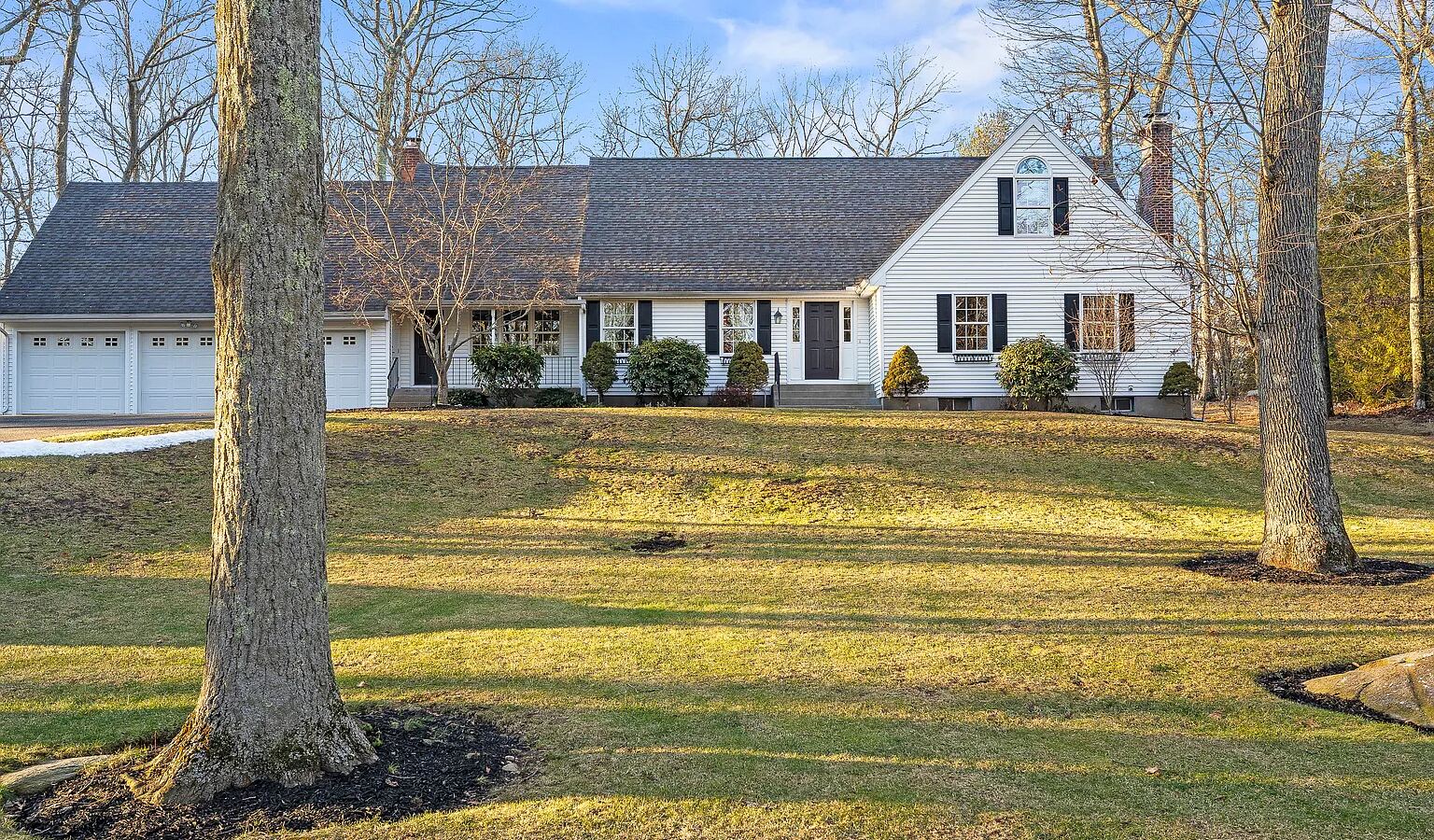
The housing stock reflects nearly four centuries of continuous building. At one end sit those genuine pre-1800 colonials — center-chimney capes and antique farmhouses that draw buyers from well outside Connecticut. In between are the postwar and mid-century neighborhoods that make up much of the town's family housing, and at the other end are the condominium communities near the Center and the luxury builds of South Glastonbury, where the top of the market reached $1.6M as of May 2026. Few towns this size offer entry points from a first condo to an estate — which is a quiet reason so many Glastonbury sales are to people who already live here and simply move across town.
Where in town?
Glastonbury Neighborhoods & Villages
Glastonbury is officially made up of seven historic villages. Buyers and listing agents also use a second layer of informal neighborhood names — school areas, landmarks, condo communities — that show up on search portals more often than on any official map. Here's how we explain both layers to relocating clients. For a closer look at the neighborhoods buyers ask about most, see our full Glastonbury neighborhoods guide.
Glastonbury Center
The heart of town and the address most newcomers picture when they say "Glastonbury." The Center puts you closest to the town's shops, restaurants, and services, with the quickest hop onto Route 2 for the Hartford commute. Housing runs the full spread — established single-family streets within walking distance of the center alongside the town's largest concentration of condominiums, including communities like Southgate. For buyers who want walkability with top-ranked schools, this is where the search usually starts, and it's also where well-priced listings draw multiple offers fastest.
Addison
One of the seven historic village names on Glastonbury's map, Addison is a quieter, established residential pocket that trades the Center's bustle for elbow room while keeping the commute short. We see Addison come up most with move-up buyers who want a classic Glastonbury neighborhood feel — mature streets, a mix of mid-century and newer colonials — without paying the premium attached to the Center's walk-to-everything addresses.
Buckingham
Buckingham is another of the original villages, and its name survives today on listing sheets and in the way longtime residents give directions. The area appeals to buyers who want more house and more land for the money as the town stretches away from the river. When Buckingham-area homes are prepped and priced correctly, they benefit from the same scarcity dynamics as the rest of town — 18-day average market times leave little room for buyers to hesitate.
East Glastonbury
East Glastonbury climbs into the town's eastern foothills toward Minnechaug Mountain and the Meshomasic State Forest — the part of town where 52.2 square miles starts to feel like it. Expect winding roads, wooded lots, and privacy that's hard to find this close to Hartford. Zillow recognizes East Glastonbury as its own neighborhood, and we cover it in more depth in our South Glastonbury guide, where the rural character overlaps.
Hopewell
A small historic village center in the southern part of town, Hopewell is one of those names that makes local buyers lean in. It anchors the transition into Glastonbury's farm-and-orchard country and carries some of the town's most distinctive older homes — the kind of streetscape that explains how a town ends up with 154 pre-1800 houses. Hopewell addresses trade infrequently, which is exactly why they command attention when they do; if you own one and have ever wondered what it would bring in this market, that scarcity works entirely in your favor. Explore our Hopewell neighborhood guide →
South Glastonbury
South Glastonbury is different enough — orchard country, the Cotton Hollow preserve, Nayaug, the village of Hopewell, and the town's luxury tier running from about $800K to $1.6M — that we gave it its own full guide. The median there was around $649K as of May 2026, notably above the town-wide figure. Read the South Glastonbury homes-for-sale guide →
Welles Village
You'll see Welles Village on lists of Glastonbury's village names, but it isn't a market-rate neighborhood you'll shop on the portals: Welles Village is a 199-unit affordable-housing community of duplex and single-apartment homes run by the Glastonbury Housing Authority — which has provided affordable housing in town since 1943 — in a wooded setting in the northern part of town. We include it here so the name doesn't throw off your search.
The names buyers actually search
Alongside the official villages, you'll hear Minnechaug — technically the mountain and its surrounding school area rather than a formal village, but one of the most-searched neighborhood labels in town — plus Naubuc, Keeney, and Buttonball in the northern half of town, and Nayaug and Cotton Hollow down south. On the condo side, Southgate is a perennial entry point into the school district, and Meadow Hill is the town's established 55+ community — a frequent landing spot for Glastonbury downsizers who want to sell the big colonial without leaving town. The other 55+ name to know is Adena's Walk — an established community of 33 detached single-family condos off Glenwood Road, built in stages from 2006 to 2016, so homes there come up on resale only.
The #1 buyer question
Glastonbury Schools
Schools drive more Glastonbury home searches than any other single factor, and the data backs the reputation. SchoolDigger ranks the Glastonbury school district 24th of 156 districts in Connecticut (2026), and Glastonbury High School #16 of 200 Connecticut high schools with a 5-star rating. The district runs five elementary schools, two middle schools, and one high school.
For sellers, this matters in a very practical way: school-driven buyers shop in a defined geography and a defined season, they arrive pre-qualified, and they compete hard for the limited inventory inside district lines. It's one reason well-prepared Glastonbury listings averaged 107% of asking price in June 2026. If you're timing a sale around the school-year calendar — most families want to close before September — we can map that backward from your target move date.
- District: 24th of 156 CT districts (SchoolDigger, 2026)
- Glastonbury High: #16 of 200 CT high schools, 5-star (SchoolDigger, 2026)
- Structure: 5 elementary · 2 middle · 1 high school
Taxes, demystified
Property Taxes in Glastonbury
Glastonbury's mill rate is 33.73 for FY 2026-27 (Town of Glastonbury, amended 6/3/2026 — the town updates this annually, so confirm the latest figure on the assessor's page). Connecticut towns tax assessed value, which is set at 70% of the market value determined during the town's periodic revaluation — not the price your home would fetch today.
A worked example: take a home with a $560,000 market value — right at Glastonbury's typical value per Zillow (May 2026). The assessment is 70% of that, or $392,000. At 33.73 mills, the annual tax bill is $392,000 × 0.03373 ≈ $13,220 per year, or roughly $1,100 a month folded into escrow.
Here's the part that confuses — and worries — more homeowners than anything else we hear at listing appointments: your assessment is not your market value. Glastonbury's next town-wide revaluation — effective with the October 1, 2027 grand list (the last was 2022) — will reset assessments to reflect the market, and after several years of 6%+ annual appreciation, many owners will open notices showing a much bigger number than they remember. A higher assessment does not automatically mean a proportionally higher tax bill (the mill rate is recalculated against the new grand list), and it certainly doesn't tell you what a buyer would pay for your home this spring. Recent sales do.
Wondering what revaluation means for your sale price? Get your free Glastonbury home value — a comparable-sales analysis from a local team, not a tax formula.
The market
Glastonbury Housing Market 2026
Start with the headline: the Hartford–West Hartford–East Hartford metro was named the #1 housing market in the United States for 2026 (December 2025), forecasting 17.1% combined growth. Glastonbury is one of that metro's most sought-after towns, and the local numbers behave exactly the way you'd expect at the center of a #1 market.
In June 2026, the median single-family sale was $615,000 and the average was $687,000 — the gap between those two tells you the luxury tier is trading, not just the middle of the market. Homes averaged 18 days on market and sold at 107% of list price. the typical Glastonbury home was valued around $560,612 at the end of May, up 6.2% in a year.
The number sellers misread most is volume: 115 sales year to date, down 10.2% from 2025. That is not softening demand — it's starving supply. Buyers are lined up; there simply aren't enough homes for sale, which is precisely why the homes that do list are pending in under three weeks at over asking. For a seller, fewer competing listings plus intact demand is about as favorable as market math gets.
Timing matters too, and in Glastonbury it runs on the school calendar. Family buyers want to be settled before September, so demand builds through late winter and peaks in spring — homes listed between late February and April typically meet the deepest buyer pool in May. But with supply this thin, the seasonal window is a preference, not a rule: correctly priced homes have been selling quickly in every month we've tracked this cycle.
Our read for 2026: correctly priced Glastonbury homes will keep selling fast and over list, with the premium going to homes that are prepped and launched deliberately rather than rushed to market. For buyers, the same math means arriving with financing settled and a strategy for competing at or above list. We publish the full quarterly numbers — with charts, methodology, and what they mean for both sides — in our Glastonbury housing market report, refreshed every quarter.
Quick answers
Glastonbury Questions We Hear Most
Is Glastonbury CT a good place to live?
Glastonbury pairs a top-ranked school system with a historic town center, Connecticut River frontage, orchard country in South Glastonbury, and a ~15–20 minute commute to Hartford via Route 2. Median household income is about $140,000 and the town has 154 homes built before 1800 — among the most genuine colonial houses of any US town.
What are property taxes in Glastonbury CT?
Glastonbury's mill rate is 33.73 for FY 2026-27, applied to 70% of your home's assessed market value. On a home assessed from a $560,000 market value, that's roughly $13,000–$13,300 per year.
How much is the average house in Glastonbury CT?
As of mid-2026, the typical Glastonbury home value is about $560,000 (up 6.2% year over year), while the June 2026 median single-family sale price was $615,000 and the average was $687,000 — homes at different price tiers move those numbers around month to month.
Beyond town lines
Nearby Towns We Serve
Comparing Glastonbury against its neighbors? These guides cover the east-of-the-river towns we work every week.
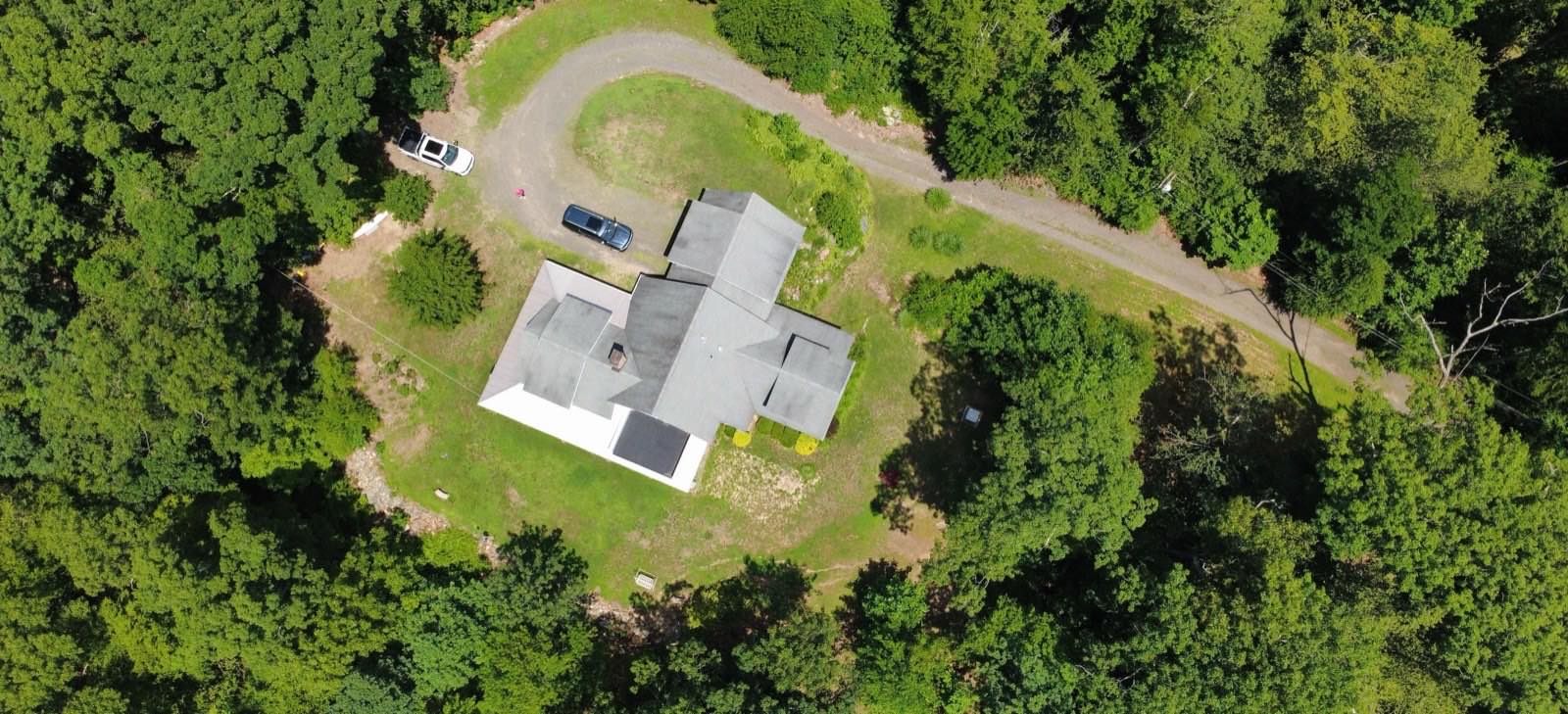
Own a Home in Glastonbury?
Homes here sold at 107% of asking in June, in 18 days on average. Find out what yours could bring — from the family team at 30 Welles Street, not an algorithm.

By Yola Feery, REALTOR® Feery Family Team, Berkshire Hathaway HomeServices New England Properties — Updated July 2026
Sources
- Berkshire Hathaway HomeServices New England Properties, Glastonbury CT market report — median/average sale price, days on market, sale-to-list ratio, sales volume (June 2026).
- Zillow Home Value Index (ZHVI), Glastonbury CT — typical home value and year-over-year change (May 31, 2026); Zillow South Glastonbury median (May 2026).
- Realtor.com Top Housing Markets for 2026 — Hartford–West Hartford–East Hartford #1 ranking, 17.1% forecast growth (December 2025).
- SchoolDigger — Glastonbury district and Glastonbury High School rankings (2026).
- Town of Glastonbury (glastonburyct.gov) — mill rate 33.73, FY 2026-27 (RE/PP, amended 6/3/2026); assessment ratio 70%.
- CT OPM revaluation schedule (portal.ct.gov) — Glastonbury's next town-wide revaluation takes effect with the October 1, 2027 grand list; last revaluation: October 1, 2022 (glastonburyct.gov, Assessor).
- Glastonbury Housing Authority (glastha.org) — Welles Village community details; HUD via ProPublica — 199 units.
- Coldwell Banker listing, 25 Adenas Walk — 55+ community status; Agents on Main (local brokerage) — Adena's Walk unit count and 2006–2016 build years.
- Wikipedia / US Census — population (2020), town geography, settlement and incorporation dates, historic-homes and ferry facts, median household income (2024).
Market statistics are point-in-time readings for a small market and are refreshed quarterly; they are not a guarantee of individual results.