
Homes listed in late February through April typically meet the deepest buyer pool, which peaks in May. But Glastonbury's inventory is so tight — well under six months of supply — that correctly priced, well-prepared homes sell quickly in every month we track.
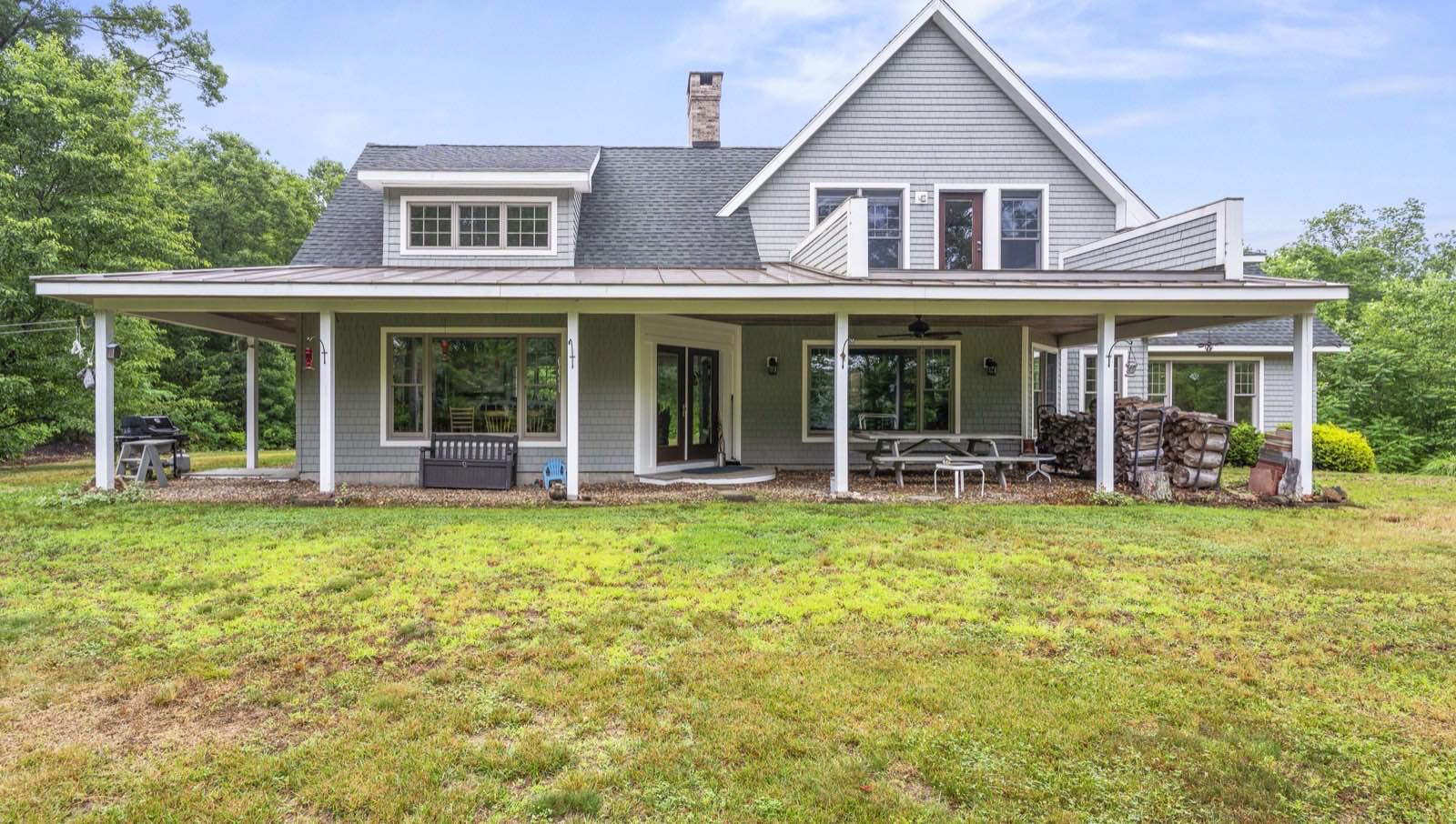
When Is the Best Time to Sell a House in Glastonbury?
There's a textbook answer — list in spring — and then there's what's actually true in a market this tight. Here's how Glastonbury's selling season really works in 2026, and how to time a sale around your own move.
The short answer
The Spring Window — With a 2026 Asterisk
Ask ten agents when to sell and nine will say "spring," and they're not wrong — the seasonal pattern is real and it's worth planning around. But treating spring as the only time to sell misreads today's Glastonbury market badly. In June 2026, single-family homes here averaged just 18 days on market and sold at 107% of list price. That kind of demand doesn't switch off on Labor Day. The honest answer is that timing still matters, but it's now a tuning knob, not a gate — and for a lot of sellers, the best time is "when it works for your life," not "the second week of April."
Season by season
Glastonbury's Selling Year, Month by Month
Late winter into spring (late February–April): list here
This is the launch window. Buyers who want to be settled before the next school year start their serious searching as the snow clears, mortgage pre-approvals get refreshed in the new year, and by March the open-house traffic is real. Listing in this stretch positions your home in front of the largest, most motivated audience of the year — and gives you room to be on the market during the May peak rather than chasing it. In a market where the average home already sells in under three weeks, launching into a rising tide of demand is how sellers manufacture multiple offers.
May–June: peak demand
Buyer activity crests in May and stays strong through June. Families under a school-year deadline are now negotiating hard because their window to close, move, and settle before September is closing. This is when the over-asking dynamic is most pronounced: more buyers competing for the same scarce inventory is exactly what produced June's 107% sale-to-list ratio. A home that's prepped and priced right during this window is in the strongest negotiating position of the calendar.
Midsummer (July–August): steady, not slow
The cliché is that summer goes quiet. In practice, midsummer in Glastonbury stays active — there's a late wave of families who missed the spring homes and are now racing the clock, plus relocation buyers whose companies move people over the summer. Inventory is thin enough that a well-presented listing still commands attention. The main adjustment is around vacations: showings can cluster, so responsiveness matters.
Fall (September–October): the underrated season
Once the school-year buyers clear out, the buyers who remain are often the most serious — relocating professionals, downsizers, and investors who don't care about the September deadline and simply want the right house. Competing inventory usually thins out in fall, which can work strongly in a seller's favor: fewer listings to compete with, a self-selected pool of committed buyers. Glastonbury's autumn — orchard country in South Glastonbury, foliage over the river — also shows the town at its most photogenic.
Holidays and deep winter (November–January): fewer buyers, fewer listings
This is the genuinely quieter stretch. Total buyer traffic drops around the holidays and in the coldest weeks. But "fewer buyers" is only half the equation — there are also far fewer homes for sale, so a listing that does go up faces almost no competition, and the buyers who are house-hunting in January are, by definition, not browsing for fun. Well-priced winter listings still sell; they just sell to a smaller, more determined audience.
The engine underneath
Why the School Calendar Drives Glastonbury Timing
More Glastonbury home searches are driven by schools than by any other single factor — the district ranks 24th of 156 in Connecticut and Glastonbury High is a 5-star school ranked #16 of 200 statewide (SchoolDigger, 2026). That reputation shapes the calendar. Families who are buying into the district want to be moved and enrolled before school starts, which pushes their search into late winter and spring and their closings into late spring and summer.
For a seller, that's leverage you can plan around. School-driven buyers arrive pre-qualified, they shop a defined geography inside district lines, and they compete hard for limited inventory — one of the reasons well-prepared homes sold at 107% of asking in June 2026. If your buyer is most likely a family (a classic four-bedroom colonial near an elementary school, say), the spring window is genuinely worth hitting. If your home appeals more to downsizers or professionals, the school calendar matters far less and fall can be just as strong.
What 2026 changes
Why Tight Inventory Rewrites the Old Rule
The seasonal playbook was written for a balanced market. Glastonbury in 2026 is not balanced — it's firmly a seller's market, with supply well under six months and demand backed by a metro that Realtor.com named the #1 US housing market for 2026, forecasting 17.1% combined growth. Three current facts change how much timing actually matters:
- Volume is down 10.2% year to date — because of scarcity, not weak demand. Only 115 single-family homes had sold through June. Fewer homes for sale means every month is a low-competition month for the seller who does list.
- The typical home value is up 6.2% over the past year to about $560,600 (Zillow ZHVI, May 2026). Appreciation isn't confined to spring.
- Homes sold at 107% of asking in 18 days in June. That pace held across a market where buyers simply don't have enough to choose from.
The takeaway: in a scarce market, the seasonal window is a preference, not a rule. Hitting spring can add polish to an already strong outcome; missing it rarely costs you a sale. What moves your final number far more than the month is preparation, pricing, and presentation — which you control in any season. Wondering how those numbers translate to your street? Get your free Glastonbury home value.
Make it practical
Timing a Sale Around Your Own Move
The best "when" is usually the one that works backward from your life, not from a seasonal chart. Because Connecticut is an attorney state and a typical financed sale closes in 30–45 days after you accept an offer — plus the week or two of preparation and marketing before that — the calendar fills in quickly once you fix your target move date. Here's the rough arithmetic we walk sellers through:
- Pick your move-out date first. Everything else counts backward from there.
- Subtract about 30–45 days for closing once you're under contract — the customary financed timeline in CT.
- Subtract another one to three weeks on market. In June 2026 the average was 18 days, and well-priced homes often go under contract on the first weekend.
- Subtract two to four weeks to prepare and photograph. Paint, declutter, staging, and professional photos — see our room-by-room prep guide.
Run that math and a spring closing usually implies a late-winter start; a "before school" close implies listing in April at the latest. If your ideal timing lands outside the classic window, don't force it — the market's scarcity is doing work that the calendar used to. And if you're selling to buy again locally, we'll coordinate both sides so you're not caught between two closings. When you're ready to map it to real dates and a real price, that starts with a conversation about listing and a free valuation.
Quick answers
Best-Time-to-Sell Questions, Answered
When is the best time to sell a house in Glastonbury?
Homes listed in late February through April typically hit peak buyer demand in May. That said, Glastonbury's inventory is so tight — well under six months of supply — that correctly priced homes sell quickly year-round.
Is it a seller's market in Glastonbury right now?
Yes. Sales volume is down about 10% in 2026 only because there are so few homes for sale, and the typical home still sells over asking. Realtor.com ranked the Hartford metro the #1 US housing market for 2026.
How fast do homes sell in Glastonbury CT?
In June 2026 Glastonbury single-family homes averaged just 18 days on market and sold at 107% of list price on average. Well-prepared, well-priced homes routinely attract multiple offers within the first two weekends.

By Bryan Feery, REALTOR® — Updated July 2026 Feery Family Team · Berkshire Hathaway HomeServices New England Properties, Glastonbury CT
Market statistics are point-in-time readings for a small market and are refreshed quarterly; they are not a guarantee of individual results. Seasonal guidance is general and varies by home type, neighborhood, and price tier.
Sources
- Berkshire Hathaway HomeServices market data / SmartMLS, Glastonbury CT — median sale price $615,000, 18 days on market, 107% sale-to-list, 115 sales YTD (−10.2%), June 2026.
- Zillow Home Value Index (ZHVI), Glastonbury CT — typical home value $560,612, +6.2% year over year (May 31, 2026).
- Realtor.com Top Housing Markets for 2026 — Hartford–West Hartford–East Hartford ranked #1, 17.1% combined forecast growth (December 2025).
- SchoolDigger — Glastonbury district and Glastonbury High School rankings (2026).
What's Your Home Worth This Season?
Timing is one lever — price and prep are bigger ones. Start with a free comparable-sales valuation from a local team that sold Glastonbury homes at 107% of asking in June.