
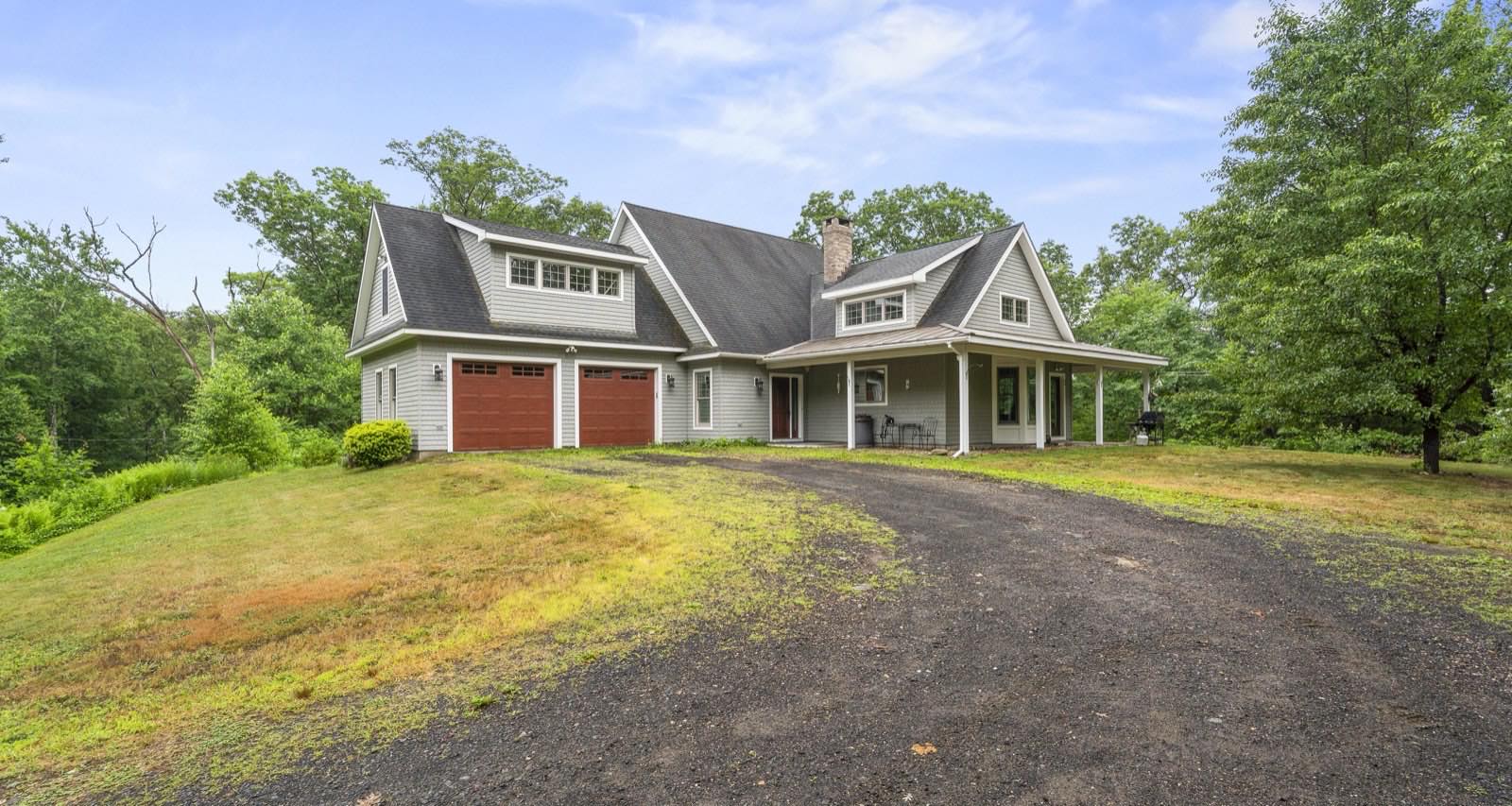
Selling an Inherited House in Connecticut
Selling a parent's or relative's home is part legal process, part logistics, and part grief. This guide walks the Connecticut-specific steps — probate, disclosure, taxes, and timing — so you can move at a pace that's right for your family.
Before you begin
A Different Kind of Sale
Selling an inherited home isn't like selling your own. There's usually an estate and a probate court involved, more than one person with a stake in the outcome, and a house that may need clearing out before it can be shown. There's also, often, no rush and a lot of emotion. The good news is that Connecticut's process is well-worn and predictable, and the current market is deeply in a seller's favor — Glastonbury homes sold at 107% of list price in an average of 18 days this past June. What follows is the order of operations, in plain English.
One note up front: this is general information, not legal or tax advice. Every estate is different, and Connecticut is an attorney state — you'll be working with a real-estate or estate attorney regardless. Use this to understand the shape of the process and to ask better questions; lean on your attorney and CPA for the specifics of your situation.
Step one
Probate and Your Authority to Sell
Before an inherited house can be sold, someone has to have the legal authority to sign for it. That authority comes from the Connecticut probate court. If the deceased left a will, the court confirms the named executor; if there was no will, it appoints an administrator. Either way, that person — the estate's fiduciary — is who lists the home, accepts an offer, and signs at closing on behalf of the estate. (Property held in a living trust or owned jointly with survivorship rights can sometimes pass outside probate; your attorney will tell you which path applies.)
You do not always have to wait for probate to fully conclude before selling. In many estates the sale and the probate administration run in parallel: once the court confirms the fiduciary's authority, that person can prepare the home, list it, and go under contract, with the closing timed to the estate's progress. Because CT is an attorney state, your estate attorney coordinates the probate milestones with the real-estate closing so the two line up. The practical first move is simple — talk to the attorney handling the estate, confirm who has authority and what the court requires, and get the green light to prepare the home.
The human part
When More Than One Person Inherits
Many inherited-home sales involve siblings or several heirs, and that's where sales stall — not on paperwork, but on people. If the will names an executor, that person generally has the authority to sell and distribute the proceeds according to the estate; if the home passed to several heirs directly, they typically need to agree on the decision to sell, the list price, and how to handle offers. Getting alignment early — ideally before the home hits the market — prevents the most common source of delay and friction.
A neutral, comparable-sales opinion of value helps enormously here. When everyone is looking at the same real data about what similar homes have actually sold for, "what's it worth" stops being a family debate and becomes a shared starting point. We're glad to provide that as a no-obligation valuation, and to work with whatever decision-making structure the family has — one executor or a group of heirs.
A CT rule that helps you
The Estate Disclosure Exemption
Ordinarily, Connecticut sellers must hand buyers the state's property-condition disclosure report before a contract is signed, or pay a $500 credit at closing. Estate sales are treated differently. Connecticut's disclosure law generally exempts fiduciaries — executors, administrators, and trustees settling an estate — from delivering that report (Conn. Gen. Stat. §20-327b), on the sensible logic that someone who never lived in the home can't meaningfully attest to its condition.
That's a genuine relief when you're selling a home you may barely know. But two caveats matter: the exemption doesn't stop buyers from doing their own inspection (they almost always will), and you must still disclose anything you do actually know about the property. Confirm how the exemption applies to your specific sale with your attorney before relying on it.
- Fiduciary estate sales are generally exempt from the standard disclosure report.
- Buyers will still inspect — so an as-is sale is still an informed sale.
- Disclose anything you personally know; confirm specifics with your attorney.
The money side
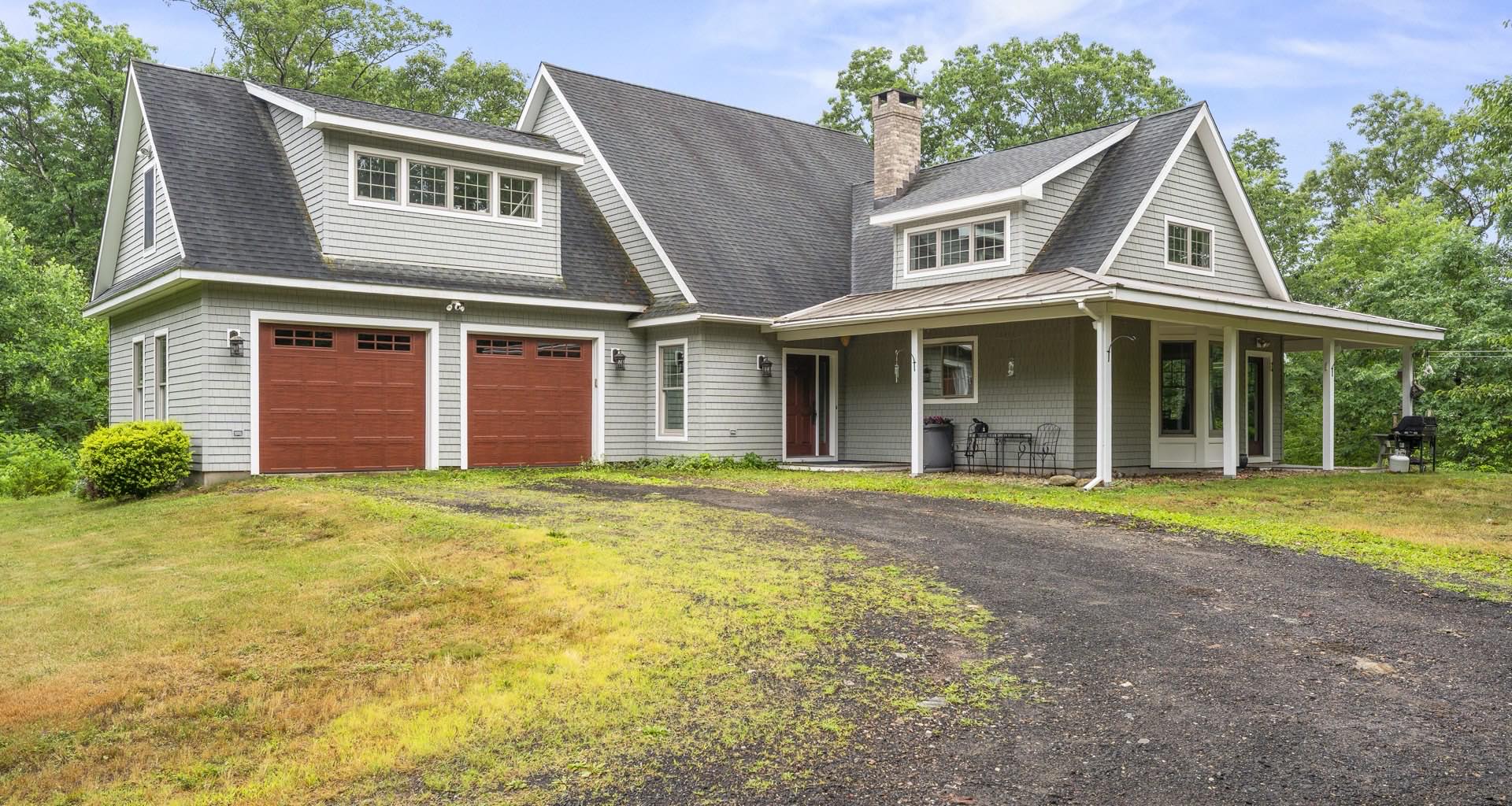
What It Costs to Sell an Inherited CT Home
The costs of selling an estate home are largely the same as any Connecticut sale, paid from the proceeds at closing. The big ones:
- Conveyance (transfer) tax — paid by the seller. The state charges 0.75% on the price up to $800,000 (then 1.25% and 2.25% on higher portions), and most towns add 0.25%. On a $615,000 sale — Glastonbury's June 2026 median — that's about $6,150 total.
- Attorney fees — roughly $850–$1,000 for a straightforward sale, though estate files with extra probate steps can run more.
- Real estate commission — negotiable and set in the listing agreement; there's no fixed CT rate.
- Clean-out and prep — often the real variable in an estate sale: hauling, cleaning, and any light prep to show the home well.
For the full line-by-line breakdown — conveyance-tax brackets, attorney fees, commission, and a net-proceeds calculator you can run yourself — see our cost-to-sell-a-house-in-Connecticut guide. It's the fastest way to estimate what the estate would actually net.
The tax question everyone asks
Capital Gains and the Stepped-Up Basis
The fear is that selling an inherited house triggers a huge tax bill on decades of appreciation. Usually it doesn't, thanks to a rule called the stepped-up basis. When you inherit property, your cost basis is generally "stepped up" to the home's fair-market value on the date of death — not what the deceased originally paid. So if you sell reasonably soon after inheriting, you're typically taxed only on any gain above that date-of-death value, which is often small or nothing.
That's the concept; your numbers depend on federal and Connecticut rules, the date-of-death value, and how long you hold before selling. Getting a documented valuation near the date of death can be important for establishing basis. Because the details matter and taxes are personal, confirm your situation with a CPA before you sell — this guide is general information, not tax advice. What we can do is provide the comparable-sales valuation that supports both your pricing and your basis conversation.
How long it takes
A Realistic Timeline, Inheritance to Closing
Timelines vary with the estate, but the moving parts are predictable. Probate to establish the fiduciary's authority runs on the court's schedule and can overlap with everything below. Once you're clear to sell, the market portion is quick in today's Glastonbury: homes averaged 18 days on market in June 2026, and well-priced ones often go under contract on the first weekend. After that, Connecticut's customary financed closing is 30–45 days (cash can be one to three weeks), following a short attorney-review period of about three business days after signing.
- Establish authority — probate confirms the executor/administrator (runs in parallel with prep).
- Prepare & list — clear out, light prep, photos; then a fast market — ~18 days on average.
- Under contract to close — ~3-day attorney review, then a 30–45-day financed close (or 1–3 weeks cash).
None of it has to be rushed. If the family isn't ready, the home can wait — the market's scarcity isn't going anywhere this cycle. When you are ready, we sequence the prep, pricing, and marketing around the estate's timeline, not the other way around.
One decision to make
Sell As-Is, or Do a Little Prep?
Many estate homes sell as-is, and in a 107%-of-list market that's often perfectly fine — buyers competing for scarce inventory will take on a dated or tired home and update it themselves. But "as-is" and "unprepared" aren't the same thing. Even without repairs, a clean-out, a deep clean, and decluttered, well-lit rooms can meaningfully lift what buyers offer, and they cost little. Whether it's worth doing more than that depends on the home and the comparable sales.
We'll help you draw that line honestly during a walkthrough — what a modest effort would add versus selling entirely as-is — so the estate spends only where it pays. If you do want a prep plan, our room-by-room preparation guide lays out the high-return, low-cost moves.
Quick answers
Inherited-Home Questions, Answered
Do I need to disclose the condition of an inherited house I'm selling in CT?
Usually not. Connecticut's property-condition disclosure law generally exempts fiduciaries — executors, administrators, and trustees settling an estate — from delivering the standard seller's disclosure report, because they typically never lived in the home (Conn. Gen. Stat. §20-327b). Confirm your specific situation with your real-estate attorney, and expect buyers to still perform their own inspection.
Do I have to pay capital gains tax on an inherited house in Connecticut?
Inherited property generally receives a stepped-up cost basis equal to its fair-market value on the date of death, so capital gains tax typically applies only to appreciation after you inherit — which is often minimal on a prompt sale. Your exact tax picture depends on federal and Connecticut rules, so confirm it with your CPA before selling. This is general information, not tax advice.
Can I sell an inherited house before probate is finished?
Often the sale and probate move in parallel. Once the Connecticut probate court confirms the executor's or administrator's authority, that person can usually list and sign a contract, with the closing timed to the estate's administration. Because Connecticut is an attorney state, your estate attorney coordinates the probate steps with the closing — confirm your specific authority and timing with that attorney.

By Bryan Feery, REALTOR® — Updated July 2026 Feery Family Team · Berkshire Hathaway HomeServices New England Properties, Glastonbury CT
This guide is general information, not legal or tax advice. Probate procedures, disclosure exemptions, conveyance-tax rates, and tax treatment are as of the dates cited and depend on your specific circumstances; consult your estate/real-estate attorney and CPA before acting.
- Conn. Gen. Stat. §20-327b and §20-327c — Uniform Property Condition Disclosure Act, including fiduciary/estate exemptions.
- CT Department of Revenue Services — real estate conveyance tax rates (state 0.75%/1.25%/2.25% by bracket; municipal 0.25% in most towns), as of 2026.
- Connecticut real-estate attorney published guidance, 2026 — attorney-state closing process, ~3-business-day attorney review, 30–45-day financed close.
- Berkshire Hathaway HomeServices market data / SmartMLS, Glastonbury CT — median sale price $615,000, 18 days on market, 107% sale-to-list (June 2026).
- Stepped-up basis is a federal cost-basis concept (Internal Revenue Code); confirm application with your CPA.
Start With What the Home Is Worth
A neutral, comparable-sales valuation gives every heir the same starting point — and supports your pricing and your CPA conversation. Free, no obligation, at your family's pace.
Related reading: what it costs to sell a house in Connecticut · preparing a home to sell, room by room · our full listing process.